Buying A Townhome Or Condo In Bothell: A Practical Guide
June 25, 2026
June 25, 2026
If you are weighing a condo or townhome in Bothell, you are not alone. Attached homes play an important role in a city that continues to grow, and they can offer a more accessible path into the market than a detached home. If you want a smart, practical way to compare options, understand the hidden details, and protect your resale potential, this guide will help you do exactly that. Let’s dive in.
Bothell has about 50,670 residents and roughly 25,000 jobs, and the city is planning for continued growth. Its long-range planning efforts focus on expanding housing choice and guiding development in key areas over the next two decades.
That matters if you are shopping for a condo or townhome. In a market where Redfin reports Bothell’s overall median sale price at about $999,000 over the last three months ending May 2026, attached homes can create a very different entry point.
Current Redfin listing data shows about 50 condos for sale at a median listing price of $425,000 and about 110 townhouses for sale at a median listing price of $910,000. In simple terms, condos often open the door for buyers who want a lower starting price, while townhomes can appeal to buyers who want more space with less exterior maintenance than a detached house.
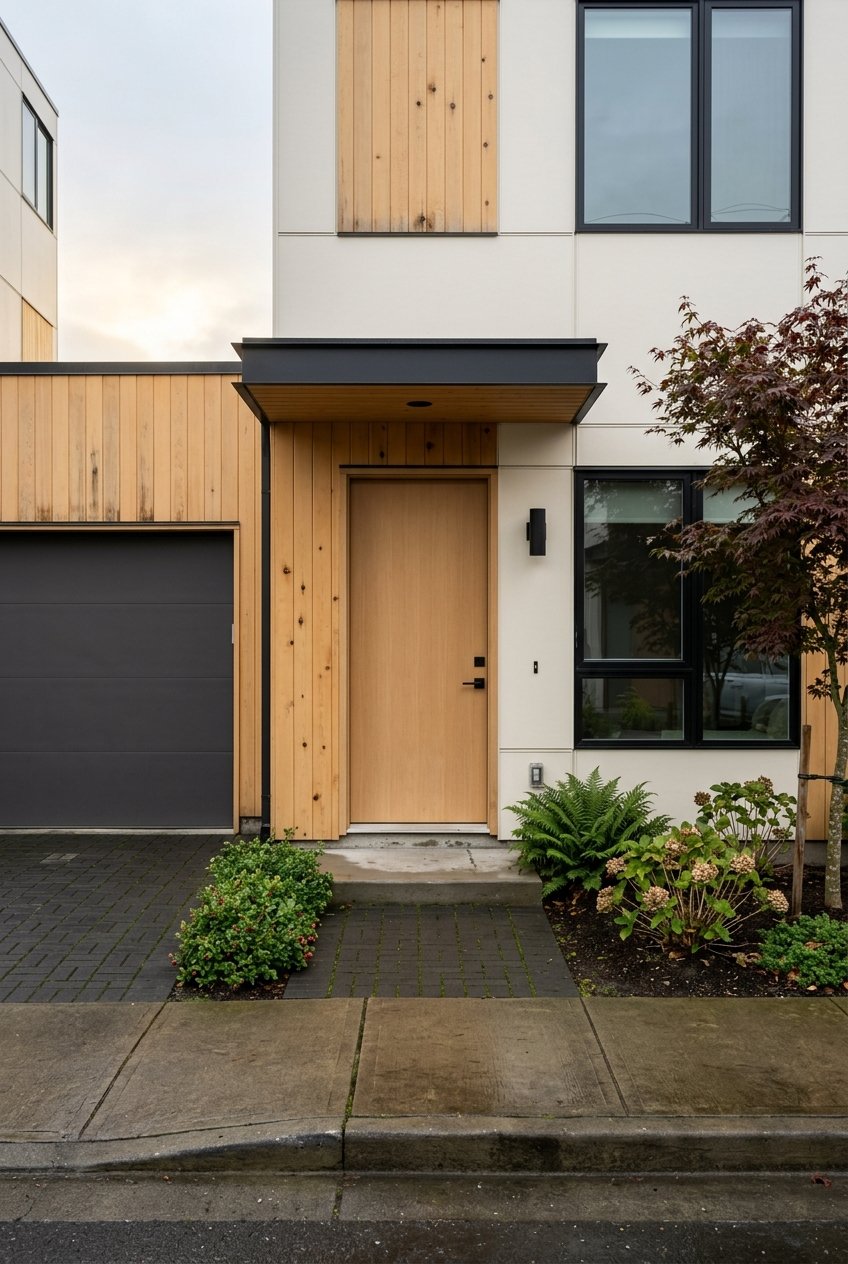
At first glance, the choice seems simple. A condo often means one unit within a larger building or community, while a townhome may look and feel more like a house with shared walls.
But in Washington, the label alone does not tell you enough. The legal structure, insurance setup, and governing documents often matter just as much as the floor plan or exterior style.
Fannie Mae describes a condo as an individually owned unit in a larger community with shared common areas. Owners typically pay a mandatory monthly condo fee, and that fee may help cover repairs, insurance, reserves, and amenities.
For many buyers, that translates into a lower-maintenance lifestyle. It can also mean a lower purchase price compared with detached homes, which is one reason condos often attract first-time buyers or buyers who want a more budget-conscious option.
A townhome may offer more square footage, more privacy, and often a layout that feels closer to a single-family home. That said, Washington’s insurance rules make one point very clear: a townhome community can still be structured like a condominium for insurance and ownership purposes.
The Washington Office of the Insurance Commissioner says communities may be covered on an all-in, all-in excluding improvements or betterments, or bare-walls basis. That means your responsibility for interior repairs, upgrades, and even parts of the master-policy deductible may depend on the governing documents, not the building’s appearance.
A lower list price does not always mean a lower true monthly cost. If you are comparing attached homes in Bothell, the right move is to build the full payment before you fall in love with a property.
Fannie Mae notes that HOA dues are separate from the mortgage and usually separate from property taxes. Your real monthly housing cost should include:
This is where condos and townhomes can separate quickly. One property may have a lower purchase price but higher dues, while another may cost more upfront but offer lower recurring costs.
One of the biggest mistakes buyers make is assuming all condos behave the same way, or all townhomes do. In Bothell, the attached-home market has a wide range.
Current listings cited in market research include a condo at $319,999 and a townhome at $1,149,750. That spread tells you something important: building quality, age, parking, HOA health, and location can change value dramatically.
Instead of asking only, “Is this a condo or a townhome?” ask a better question: “How strong is this specific property as a place to live now and a property to resell later?”
Bothell is described as minimally walkable overall on Redfin’s city page, so broad citywide averages only tell part of the story. For attached-home buyers, building-level and subarea location often matter much more.
The city’s planning efforts focus more growth and mixed-use intensity in Downtown, Canyon Park, North Creek, and Midtown. For buyers, those areas deserve a closer look because future convenience and buyer demand often follow long-term planning and infrastructure investment.
Downtown Bothell has changed significantly over the past 15 years, and the city is updating its downtown plan for the next 20 years of growth. The plan emphasizes a more vibrant, mixed-use, and walkable place to live, work, shop, and gather.
If you want a more urban feel within Bothell, downtown may stand out. For resale, buyers often respond well to locations with easy access to daily needs and a stronger sense of connection to restaurants, services, public spaces, and trails.
Canyon Park is designated as a regional growth center, and North Creek is connected to business-park growth and trail access. These areas can be especially relevant if commute efficiency is part of your decision.
Community Transit says Bothell is served by local and express bus routes including 106, 120, 121, 532, and 535. Swift Green serves Canyon Park Park & Ride every 10 to 20 minutes, and both Canyon Park and Bothell Park & Ride function as major transit hubs.
For many Eastside buyers, that transit access can improve day-to-day convenience and support future resale appeal. If you want to reduce drive time or parking dependence, these subareas deserve serious attention.
Attached-home buyers often trade yard space for convenience, lower maintenance, and access to nearby amenities. In Bothell, that trade can make sense because the city manages about 400 acres of parkland and open space, with 26 parks and more than 3.6 miles of regional trails.
The Sammamish River and Burke-Gilman trails run through Bothell, and the North Creek Trail connects downtown with the UW Bothell and Cascadia area, then continues toward North Creek and Canyon Park. For many buyers, trail access becomes part of the home’s daily value and part of its resale story.
If you remember one thing from this guide, make it this: attached-home due diligence is about documents as much as design. A stylish kitchen is easy to see. A weak reserve fund or unclear insurance structure is not.
Do not rely on marketing language alone. In Washington, a property that looks like a townhome may still function like a condo from an ownership and insurance standpoint.
Confirm the legal form through the recorded documents and the resale package. The governing documents and master policy determine who maintains what and where your financial responsibility begins.
Washington law requires a resale certificate for unit resales in common-interest communities. Under WUCIOA, the association must furnish it within 10 days of request, and the reasonable charge may not exceed $275.
This certificate can disclose assessments, delinquency, special assessments, and other governance details. It is one of the most important snapshots of the community’s financial and operational health.
Beyond the resale certificate, review the:
Washington generally requires reserve studies to be prepared and updated annually, with a full visual site inspection update at least every third year, unless exempt. That makes the reserve study especially important when you want to understand whether a community is planning responsibly for future expenses.
The Washington Office of the Insurance Commissioner says condo and townhome ownership usually involves two policies: the community’s master policy and your HO-6 policy. The split between those policies depends on whether the community uses all-in, all-in excluding improvements, or bare-walls coverage.
This matters because your out-of-pocket risk can change significantly from one community to another. It also matters because the OIC notes that community condo insurance rates have risen significantly since 2019, which can influence dues and future affordability.
If you plan to use conventional financing, or if you may rent the property later or move again, project eligibility matters. Fannie Mae says the project’s financial strength and eligibility are central to condo lending.
Ask your lender early whether the project appears warrantable and whether there are any project-level red flags. Deferred maintenance, lawsuits, insurance issues, or structural debt can affect both financing and future resale.
In attached housing, the biggest future costs often come from shared components. Pay close attention to items that can trigger major association expenses or future special assessments.
Focus on:
A strong attached-home purchase is not only about what works for you today. It is also about how the property will compete when you eventually sell.
In Bothell, the strongest resale candidates usually combine four things: a practical commute location, healthy HOA finances, clear rules and insurance coverage, and a building profile that fits conventional financing. Those basics often matter more than trendy finishes.
Current search activity and listing visibility also point to demand around Downtown, Canyon Park, North Creek-195th, Waynita-Simonds-Norway Hill, Westhill, Moorlands, Thrashers Corner, Inglewood, and Wandering Creek. Still, even in a promising area, the individual building can make or break long-term value.
If you want a cleaner decision process, use this checklist as you compare properties in Bothell:
A condo or townhome can be a smart move in Bothell, especially if you want a lower-maintenance lifestyle or a more strategic price point. The key is buying with clear eyes and a disciplined process.
When you want a data-driven, white-glove approach to comparing Bothell condos and townhomes, Deepti Gupta Real Estate can help you evaluate the numbers, the documents, and the resale story with confidence.
Stay up to date on the latest real estate trends.

Redmond Real Estate
Prices, inventory, negotiation trends, and what today’s Redmond market means for your next move.

Our team provides professional services in buying, selling, and investing areas, ensuring the best results for our valued clients. So, what are you waiting for? Reach out to us, and we will help you find a house that’ll make you feel at home!
DEEPTI & AMIT GUPTA
DEEPTI GUPTA REAL ESTATE
LUXURY HOMES • STRATEGIC NEGOTIATION • DATA-DRIVEN RESULTS
🏆 Top 1% Washington Real Estate Team
🏅 RealTrends Verified - #9 Team in Washington by Sales Volume • Top 500 Teams Nationwide
DEEPTI GUPTA 📞 (425) 588-8470
AMIT GUPTA 📞 (425) 533-3269
📧 [email protected] • [email protected]
🌐 www.DGuptaHomes.com
📍 Proudly Serving the Greater Seattle Eastside
Bellevue • Bothell • Redmond • Kirkland • Sammamish • Woodinville • Mill Creek • Lynnwood • Mercer Island • Issaquah