Strategic Selling For Redmond Luxury And View Homes
May 28, 2026
May 28, 2026
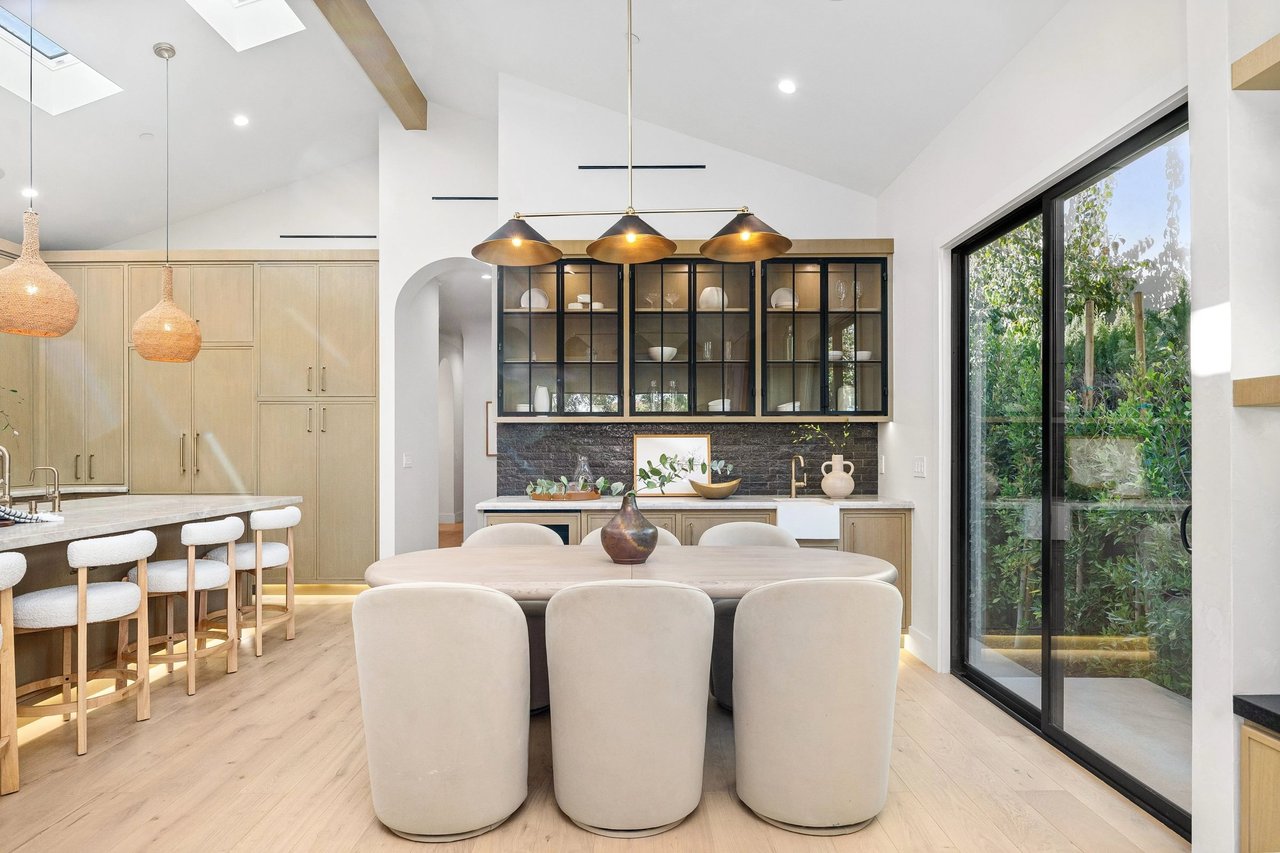
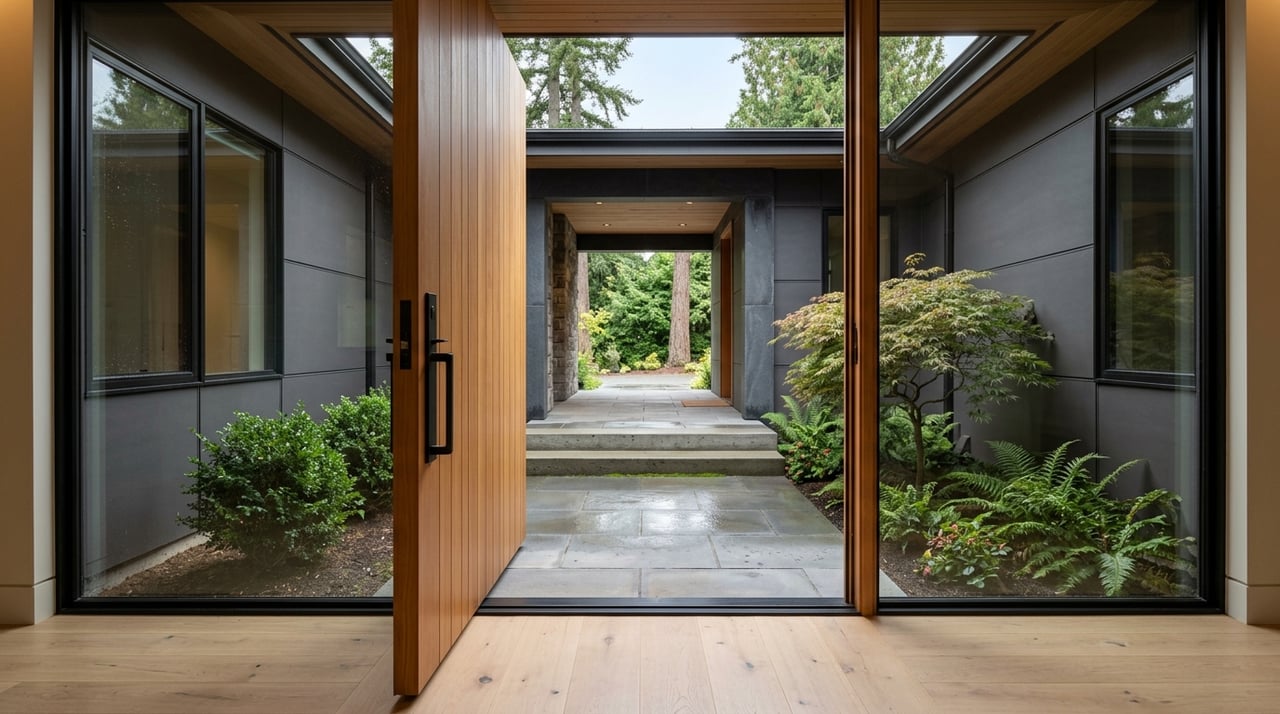
If you own a luxury or view home in Redmond, a standard listing plan may leave money on the table. In this market, buyers are not only comparing square footage and bedroom count. They are judging light, setting, privacy, outdoor connection, and whether your home feels exceptional from the very first online impression. This guide will show you how to prepare, price, and launch a Redmond luxury or view home with more strategy and less guesswork. Let’s dive in.
Redmond is not a one-size-fits-all suburban market. The city had an estimated 82,195 residents in 2024, a median household income of $162,099, and broadband adoption of 95.6% of households. It is also a major technology center near Lake Sammamish, with employers including Microsoft, Nintendo of America, Amazon Kuiper, Meta, Astronics, and Stryker.
That matters when you sell a premium home. In a high-income, highly connected market like Redmond, upper-tier buyers often evaluate lifestyle fit and long-term value along with price. Your home is being compared not just on features, but on how clearly those features are presented.
The market is still competitive, but it is not forgiving. Redfin reported a March 2026 median sale price in Redmond of $1,397,500, about 13 days on market, an average of two offers, and price drops on 37.5% of homes. Hot homes can still go pending in around four days, which means your opening strategy matters more than your backup plan.
A luxury or view home is a different product. Academic research shows that scenic visibility and water-oriented views can create measurable price premiums, though the exact premium varies by market and by the quality and usability of the view. In other words, the value is real, but it must be interpreted correctly.
That is especially true in Redmond and the broader Eastside. NWMLS reported that Eastside map areas accounted for 72% of King County residential sales priced at $2 million or higher in 2025. High-end demand is not spread evenly across the county, and buyers in this segment tend to be more selective.
For you as a seller, the takeaway is simple. The story of your home must be sharper than “beautiful house in a great location.” If your property offers sunset light, territorial outlooks, privacy, indoor-outdoor flow, or a view connection that changes how the home feels, those elements need to be visible and easy to understand right away.
Before pricing and marketing, focus on the basics that protect value. The most effective pre-listing work is often the least flashy. NAR research found that agents most often recommend decluttering, cleaning the entire home, removing pets during showings, and investing in professional photos.
That is good news if you want a practical plan. You do not need to renovate every corner of the home before going live. You need to remove friction so buyers can focus on the parts of the property that justify the price.
Start with items that create doubt or distraction. Minor repairs, visible wear, scuffed paint, loose hardware, damaged trim, and lighting issues can make a premium home feel less cared for. In a luxury price range, buyers tend to notice small signs of deferred maintenance quickly.
You should also gather documentation early. In Washington, sellers of improved residential real property generally must provide a completed seller disclosure statement under RCW 64.06.020 unless the buyer waives it or the transfer is exempt. Because that disclosure is based on your actual knowledge at the time it is completed, it helps to organize repair records, permits, warranties, and known issues before your home hits the market.
Not every update delivers equal return. If a change is highly personal, expensive, or unlikely to affect first impressions, it may not belong in your pre-market budget. The goal is not to remake the home around every possible buyer. The goal is to create a polished presentation that supports the right price.
A strategic agent can help you separate value-protecting updates from low-impact spending. That is where analytics and local buyer behavior matter. In an active market, over-improving can be just as costly as under-preparing.
Staging is especially important for luxury and view homes because the buyer decision often starts emotionally. NAR’s 2025 Profile of Home Staging found that 83% of buyers’ agents said staging made it easier for buyers to visualize a property as a future home. It also found that 29% of sellers’ agents saw staging increase the dollar value offered by 1% to 10%, while 49% said staging reduced time on market.
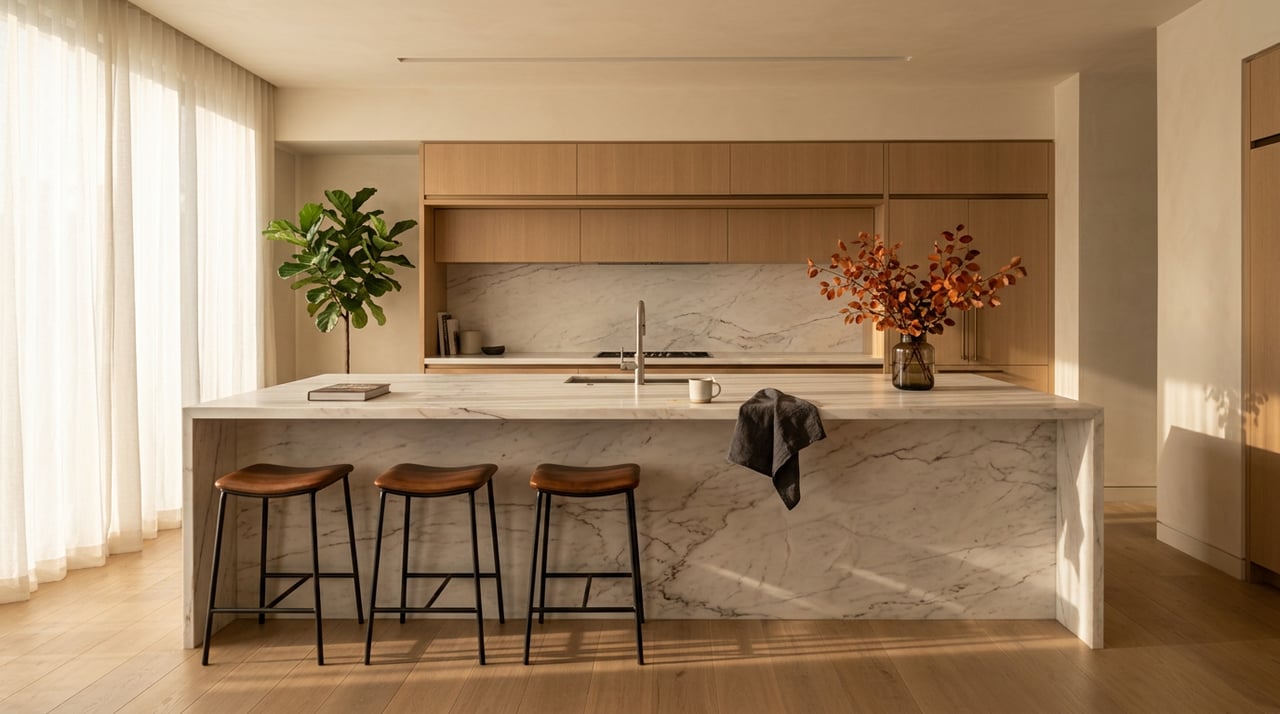
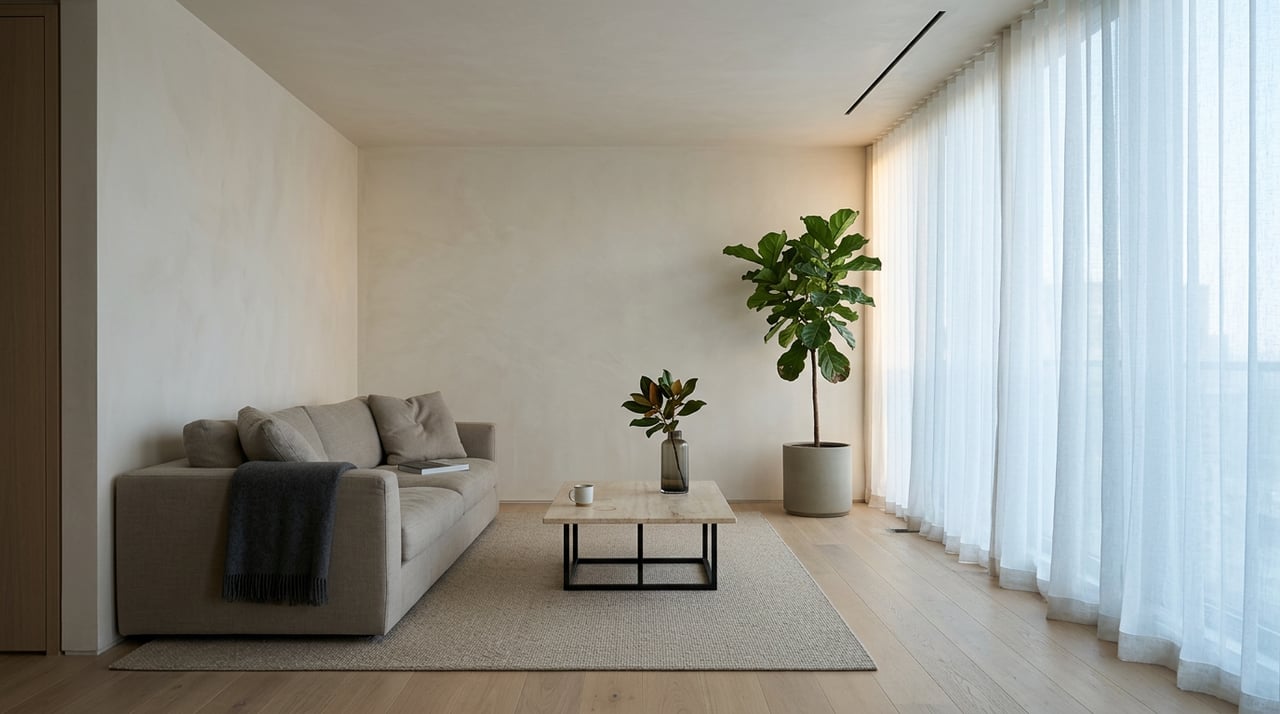
That does not mean every room needs full-scale redesign. It means the most important spaces should be staged with discipline and purpose. According to NAR, the rooms most commonly staged are the living room, primary bedroom, dining room, and kitchen.
For most Redmond luxury listings, the best staging return comes from the areas where buyers make quick visual judgments:
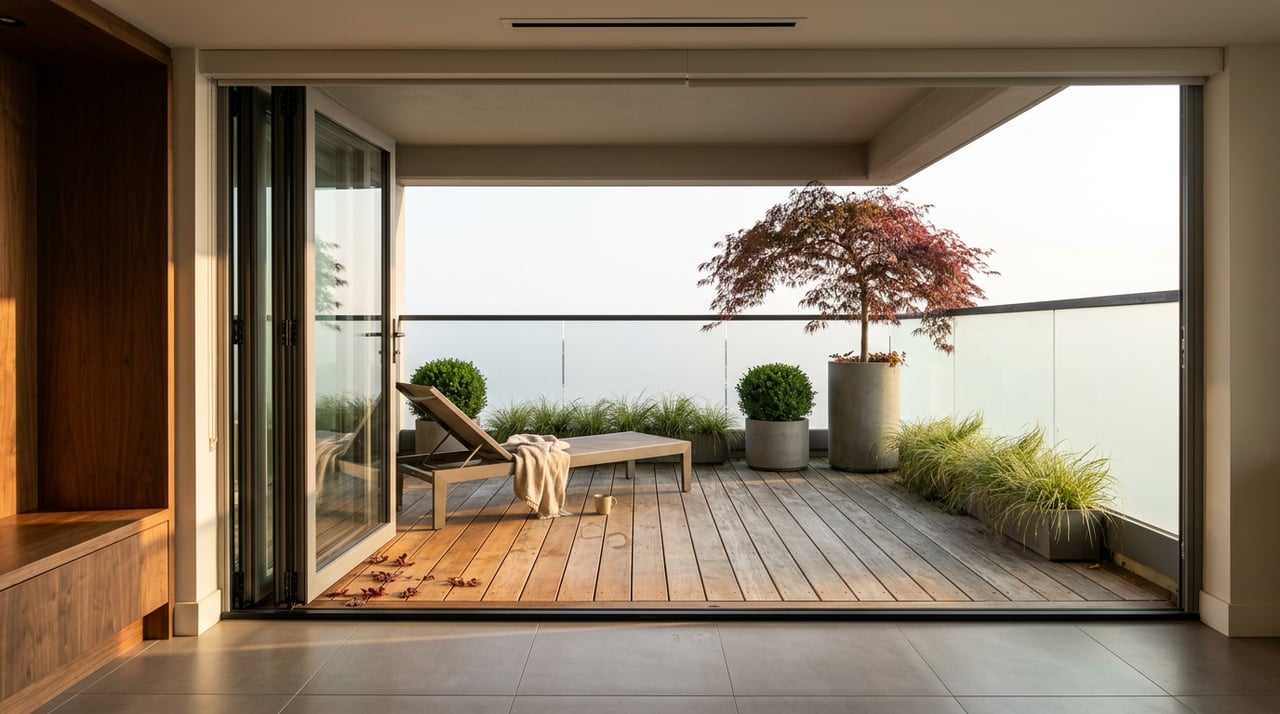
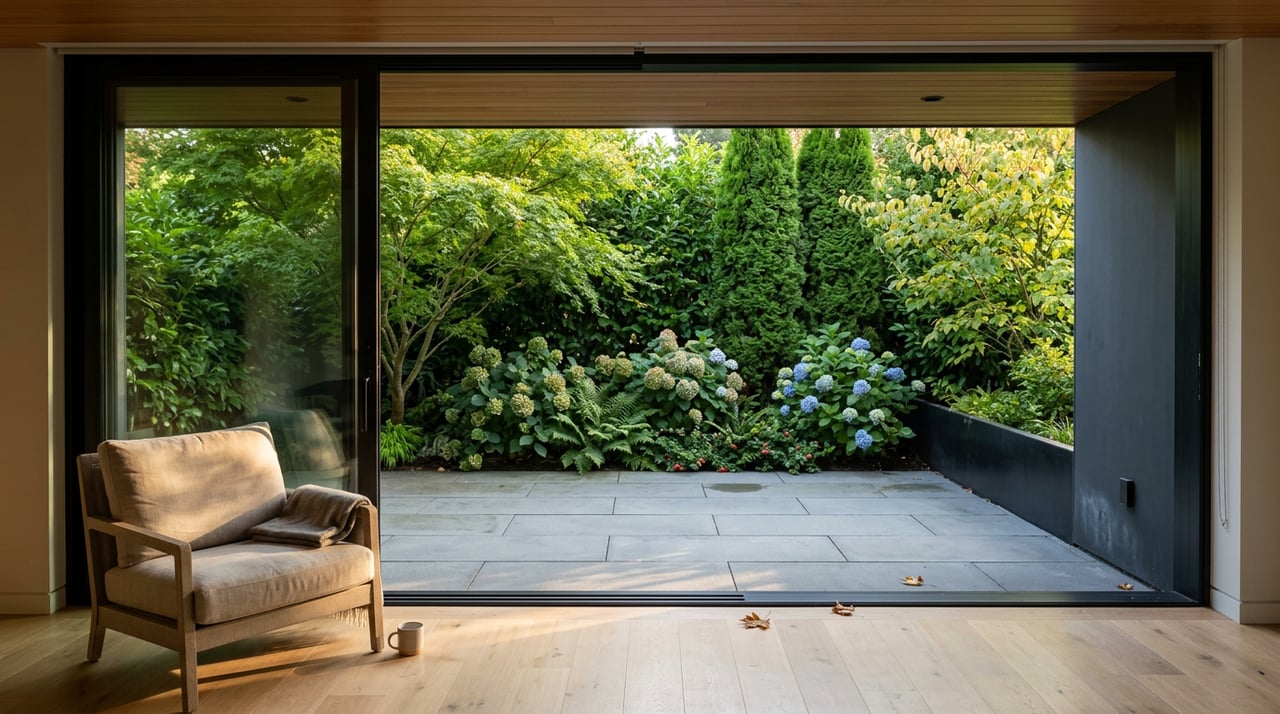
If your home has a view, staging should support it rather than compete with it. Furniture placement, window treatments, art scale, and lighting should guide attention outward. The view should feel like part of the living experience, not just a feature mentioned in the remarks.
Luxury buyers often discover homes online long before they walk through the door. In NAR’s 2025 buyer survey, 43% of buyers said their first step was looking online for properties for sale, and 51% found the home they ultimately bought on the internet. Among internet users, 83% said photos were very useful, 79% said detailed property information was very useful, 57% said floor plans were very useful, 41% said virtual tours were very useful, and 29% said videos were very useful.
That makes your digital presentation a pricing tool, not just a marketing extra. If the photography is flat, the floor plan is missing, or the view does not read well on screen, your home may never reach the buyers most willing to pay for it.
A premium listing benefits from a layered media approach. Based on buyer behavior and seller marketing data, the strongest launch usually includes:
This approach fits Redmond particularly well. With 95.6% of households reporting a broadband subscription, the city is highly digital, and online presentation carries real weight.
Great media only works if buyers actually see it. NAR’s 2025 report found that sellers’ agents commonly market homes through the MLS, yard signs, open houses, real estate websites, company websites, third-party aggregators, social networking sites, virtual tours, and video.
For a Redmond luxury or view home, that supports a multi-channel strategy from day one. You want strong MLS presentation, targeted digital exposure, direct outreach, and coordinated timing. A premium home should feel intentionally launched, not simply uploaded.
This is where white-glove execution matters. Professional assets, paid social distribution, and agent-to-agent outreach can help expand reach beyond the buyers who happen to be browsing that week. In a selective price tier, visibility and timing often shape the quality of interest you receive.
Pricing is where many premium listings lose momentum. In Redmond, 37.5% of homes had price drops in March 2026, and the average sale closed at about 99.4% of list price. That tells you the market still rewards well-positioned listings, but it also penalizes homes that start too high.
This is even more important with a view home. A view may carry a premium, but that premium is market-specific and not automatic. Buyers may pay more for setting, light, and outlook, but they still compare condition, layout, privacy, and ease of living across competing homes.
Luxury buyers are often more patient and more analytical. National Redfin data showed the median U.S. luxury home sale price rose to $1.31 million in December 2025, while luxury homes took about 50 days to go under contract. That does not mean Redmond behaves exactly the same way, but it does reinforce an important point: premium listings can be less forgiving than the broader market.
If your home launches above where buyers see value, the result is often slower traffic, weaker urgency, and more visible reductions later. Once a listing feels stale, even a strong property can lose leverage.
A stronger strategy is to price with precision, support the number with clear market logic, and give buyers a compelling reason to act early. In a competitive Eastside market, the best first impression is often the most valuable one.
For a Redmond luxury or view home, a strategic sale is not about doing more of everything. It is about doing the right things in the right order. The process usually works best when you:
When those pieces work together, your home has a better chance to attract serious buyers quickly and defend its value. That is the difference between simply listing a home and strategically positioning it.
If you are thinking about selling in Redmond, the right plan can help you protect your home’s premium and reduce costly trial and error. For a tailored strategy built around preparation, pricing, and high-impact marketing, connect with Deepti Gupta Real Estate.
Stay up to date on the latest real estate trends.
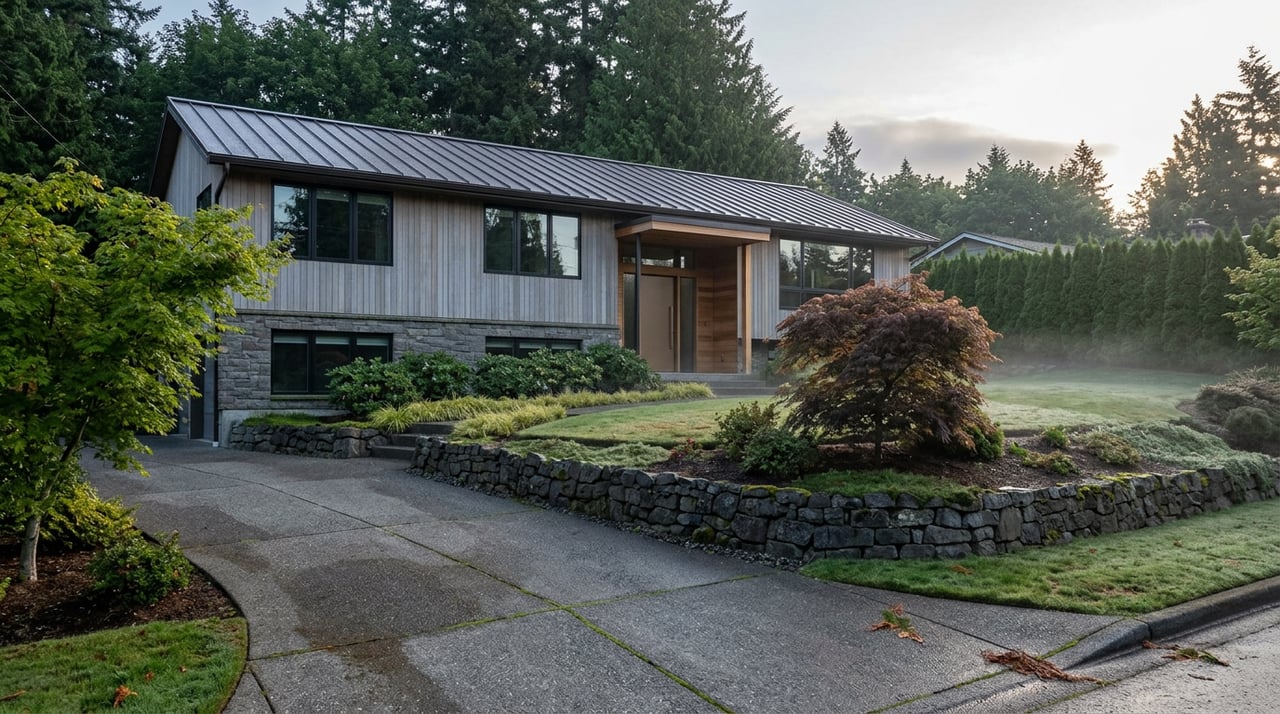

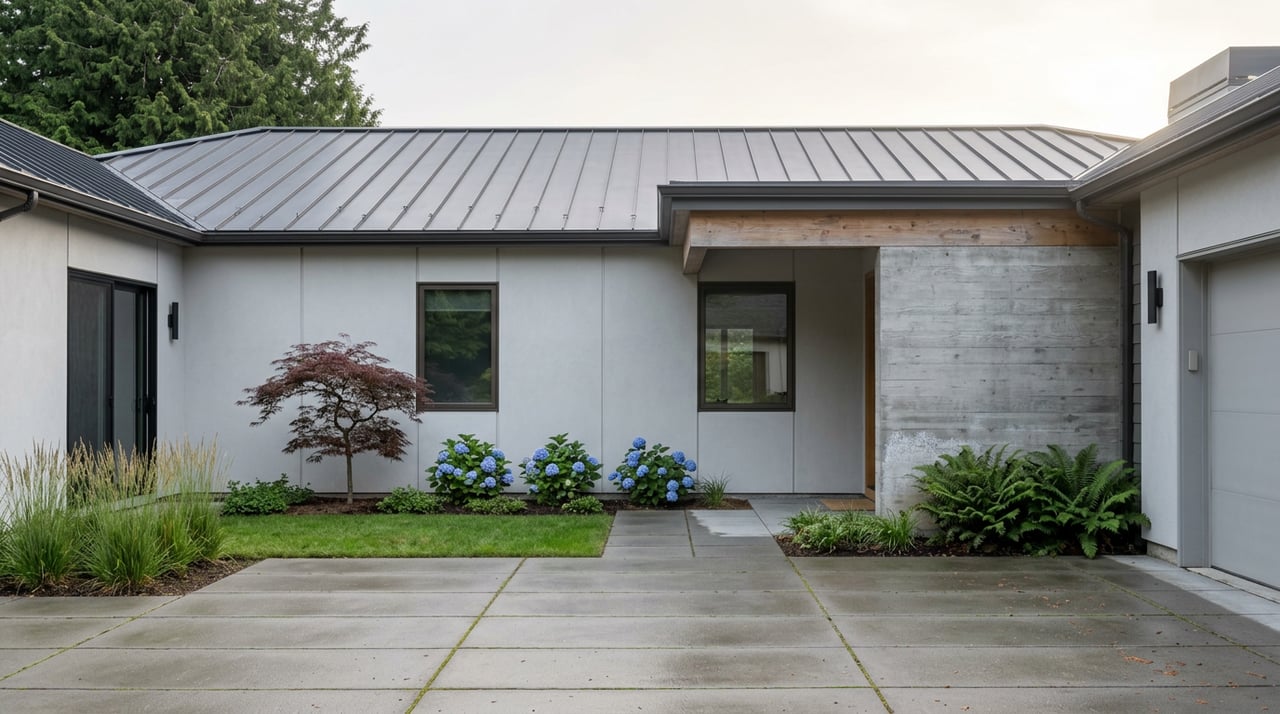

Our team provides professional services in buying, selling, and investing areas, ensuring the best results for our valued clients. So, what are you waiting for? Reach out to us, and we will help you find a house that’ll make you feel at home!