
Redmond New Construction Homes: A Step-by-Step Buying Guide
May 7, 2026
May 7, 2026
Thinking about buying a brand-new home in Redmond? New construction can feel like the best of both worlds: modern design, lower near-term maintenance, and the chance to personalize some finishes. But it also comes with a different set of decisions than resale, from builder research to community documents to timing your inspections. If you want to buy with more clarity and fewer surprises, this step-by-step guide will help you understand what to look for in Redmond and how to move forward strategically. Let’s dive in.
Redmond’s growth pattern shapes the kind of new construction you will see. The city directs much of its future growth into places like Downtown, Overlake, and Marymoor, while areas such as Education Hill, Grass Lawn, Idylwood, and North Redmond remain more residential in character.
That means “new construction in Redmond” is not one single product type. You may be comparing a condo or townhome in a denser mixed-use area with a single-family infill home in a quieter residential setting. Your daily experience, HOA structure, parking setup, and long-term neighborhood feel can vary quite a bit depending on where you buy.
In some higher-density parts of Redmond, privately owned public spaces are also part of the development pattern. These spaces are often created by developers or HOAs as part of a larger project, which is one reason it is smart to evaluate the broader community plan, not just the home itself.
Before you tour homes or visit a sales center, get clear on your true monthly cost. It is easy to focus on the base price or estimated mortgage payment, but that does not tell the whole story.
A realistic budget should include:
Closing costs typically run about 2% to 5% of the purchase price, not including your down payment. In new construction, this matters even more because upgrades, community fees, and HOA dues can change the payment picture quickly.
If you are comparing multiple communities, ask for a side-by-side breakdown of the full monthly cost. A home with a lower base price is not always the better value once you factor in dues, finishes, and closing expenses.
A polished model home can make a strong first impression, but your due diligence should go deeper than design choices. You are not just buying a floor plan. You are buying into a builder process, a timeline, and sometimes a shared community structure.
In Washington, construction contractors must register with the state. A practical first step is verifying whether the builder or contractor has active registration and checking related details such as workers’ compensation status, safety citations, and bond lawsuits.
If you are buying in a condo or common-interest community, the public offering statement is one of the most important documents you will review. It can include details about the developer, management company, prior projects, permitted uses, restrictions, rental limits, common expenses, fees due at closing, warranties, reserve-study disclosures, and the documents that govern the community.
This document can also help you understand issues that are easy to miss during a tour. For example, it may disclose known hazards, unresolved building-code citations, or material differences between the model unit and the home actually being sold.
As you compare new construction options in Redmond, ask:
These questions matter because new construction is often sold before the full community is complete. The home may be finished before the broader area fully settles into its long-term rhythm.
One of the biggest surprises for buyers is that new construction timelines are often fluid. In Redmond, residential projects move through the city’s Development Services Center, and review may involve multiple departments. If the property is being divided into more lots, short plat or subdivision review can be a separate step.
For you as a buyer, this means completion dates can depend on permitting, departmental review, and the type of project. A single infill home may move differently than a larger development with multiple phases.
You should also ask whether sprinklers are required and whether impact or capital-facilities charges apply. Redmond notes that new homes and detached ADUs require sprinklers, and certain impact or capital charges may apply.
Ask the builder or sales team:
This is where a strategy-first approach helps. If you are coordinating a lease end, school-year timing, or the sale of your current home, build in margin. New construction can be worth the wait, but it is smart to plan for movement in the schedule.
Builder contracts are not the same as standard resale transactions. They are often more detailed, more builder-specific, and more sensitive to timing, change orders, and included features.
Read every document carefully and compare the paperwork to what you saw in person. Make sure you understand which finishes are included, what counts as an upgrade, whether the model home reflects the actual unit, and how substitutions or construction changes are handled.
For condos and common-interest-community sales in Washington, the public offering statement must be delivered before conveyance. If you receive it seven days or less before signing, there is generally a seven-day cancellation right, and the closing date can be extended if needed to preserve that review period.
Washington law also generally requires earnest money deposits for these units to be held in escrow until closing, default, refund, or court order. That is one reason documentation and timing matter so much in new construction purchases.
Pay close attention to:
If anything is unclear, ask questions before you sign. New construction can be an excellent purchase, but only when the written terms match your expectations.
Many buyers assume a brand-new home does not need an inspection. That is a mistake. New does not always mean flawless, and an independent inspection gives you another layer of protection.
It helps to schedule an inspection as soon as possible after selecting the home, and if you can, attend the inspection yourself. It is also important to remember that an inspection is different from an appraisal. They serve different purposes.
For new construction, the build process itself may include inspection milestones. Field inspections commonly occur before the slab is poured, before drywall is installed, and after lighting fixtures are installed. If the builder allows access at a pre-drywall or framing stage, that can be a valuable opportunity.
Depending on the builder and project, ask whether you can plan for:
If your contract is contingent on a satisfactory inspection, you may be able to cancel without penalty if the results are unacceptable. That makes it especially important to understand your inspection rights early in the process.
Closing is the last step, but it should never feel rushed. Before signing, do a final walk-through to confirm the home is in the expected condition and that any agreed items have been completed.
This is your chance to verify details that may seem small but matter once you move in. Test what you can, review visible finishes, and confirm that the unit you are receiving matches the agreed scope as closely as possible.
Take time to review your closing documents as well. If anything differs from earlier paperwork, ask questions before you sign.
Your due diligence does not end on closing day. Save your contract, disclosure package, warranty information, inspection reports, photos, upgrade selections, and email records.
That documentation can be useful if issues come up after move-in. In Washington, construction-defect claims involve a notice-and-response process that gives the builder the opportunity to offer a cure before litigation. From a practical standpoint, that is why prompt reporting, photos, and organized records matter.
If you want a simple framework, focus on these five areas:
In Redmond, this process matters because product types, neighborhood context, and development timelines can vary widely. A condo in an urban growth area and a detached home in a more residential pocket may both be “new construction,” but they can involve very different ownership experiences.
Buying new construction should feel exciting, not confusing. With the right guidance, a clear process, and careful review at each step, you can move forward with more confidence and fewer surprises. If you are weighing new construction options in Redmond and want strategic, data-informed guidance tailored to your goals, connect with Deepti Gupta Real Estate.
Stay up to date on the latest real estate trends.
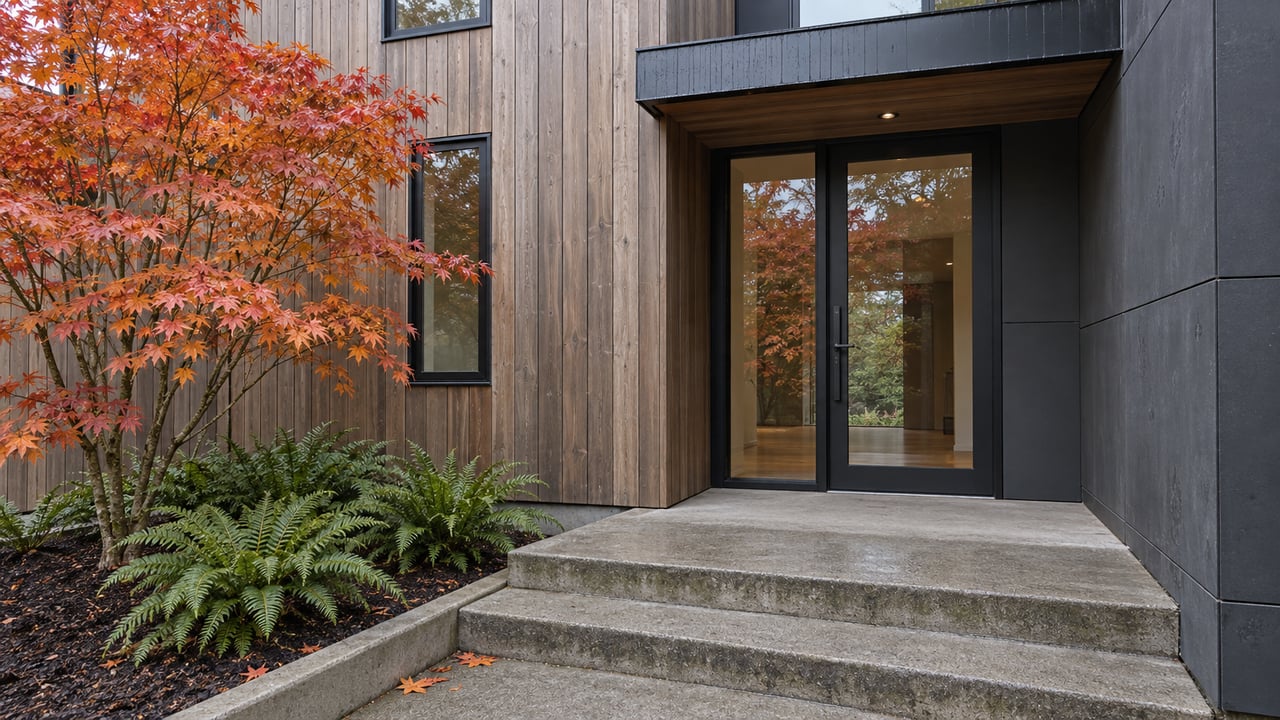

Redmond Real Estate
Prices, inventory, negotiation trends, and what today’s Redmond market means for your next move.
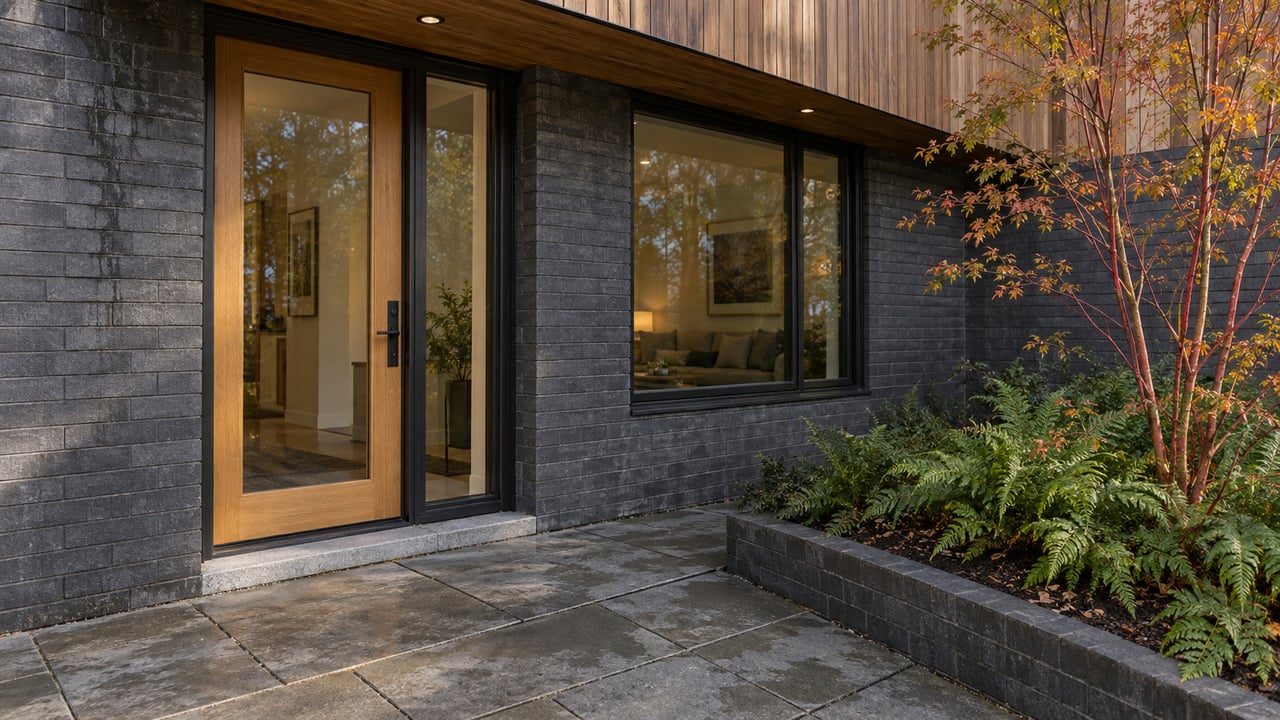
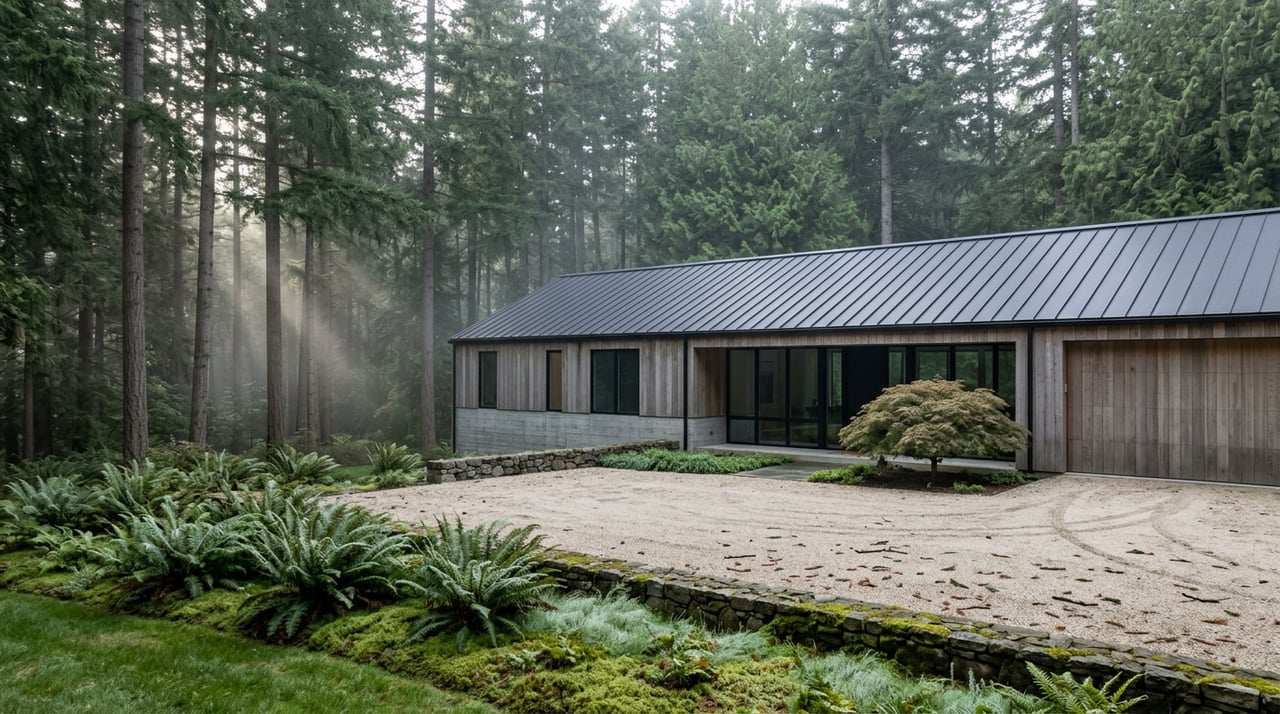
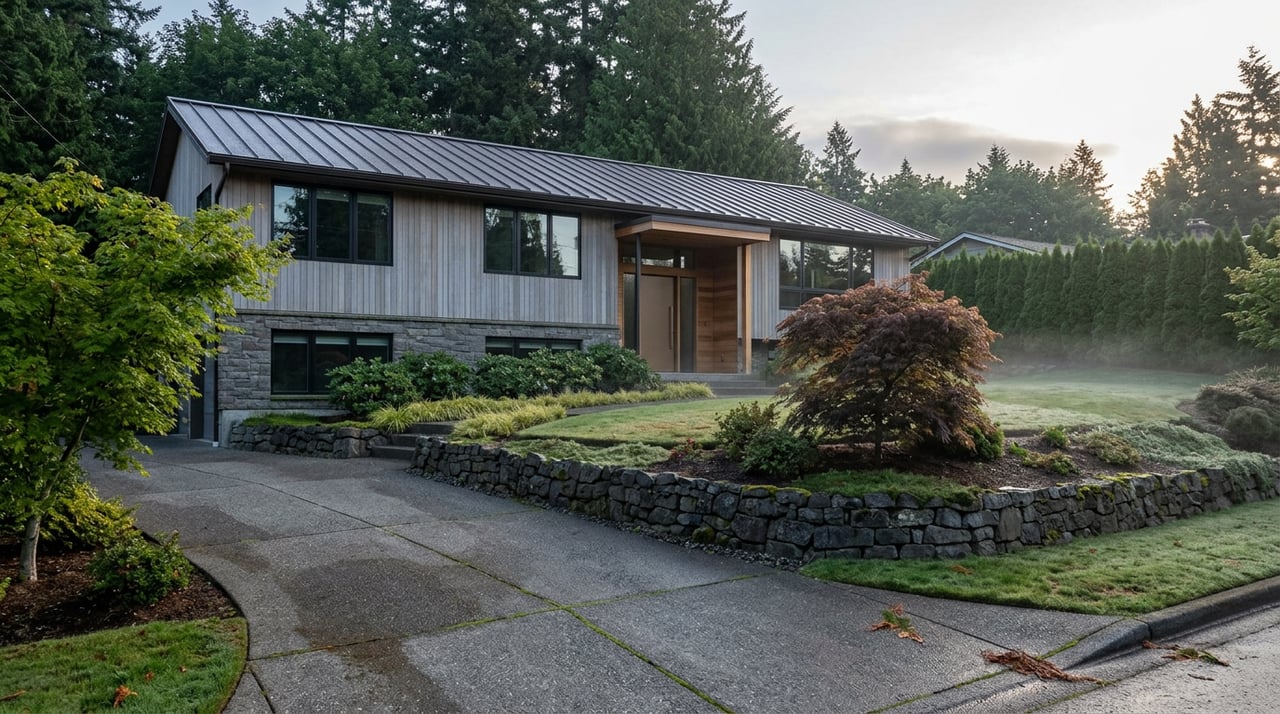

Our team provides professional services in buying, selling, and investing areas, ensuring the best results for our valued clients. So, what are you waiting for? Reach out to us, and we will help you find a house that’ll make you feel at home!
DEEPTI & AMIT GUPTA
DEEPTI GUPTA REAL ESTATE
LUXURY HOMES • STRATEGIC NEGOTIATION • DATA-DRIVEN RESULTS
🏆 Top 1% Washington Real Estate Team
🏅 RealTrends Verified - #9 Team in Washington by Sales Volume • Top 500 Teams Nationwide
DEEPTI GUPTA 📞 (425) 588-8470
AMIT GUPTA 📞 (425) 533-3269
📧 [email protected] • [email protected]
🌐 www.DGuptaHomes.com
📍 Proudly Serving the Greater Seattle Eastside
Bellevue • Bothell • Redmond • Kirkland • Sammamish • Woodinville • Mill Creek • Lynnwood • Mercer Island • Issaquah